Sales: (844) 394-9300
Service: (418) 439-3333
Parts: (418) 439-3333

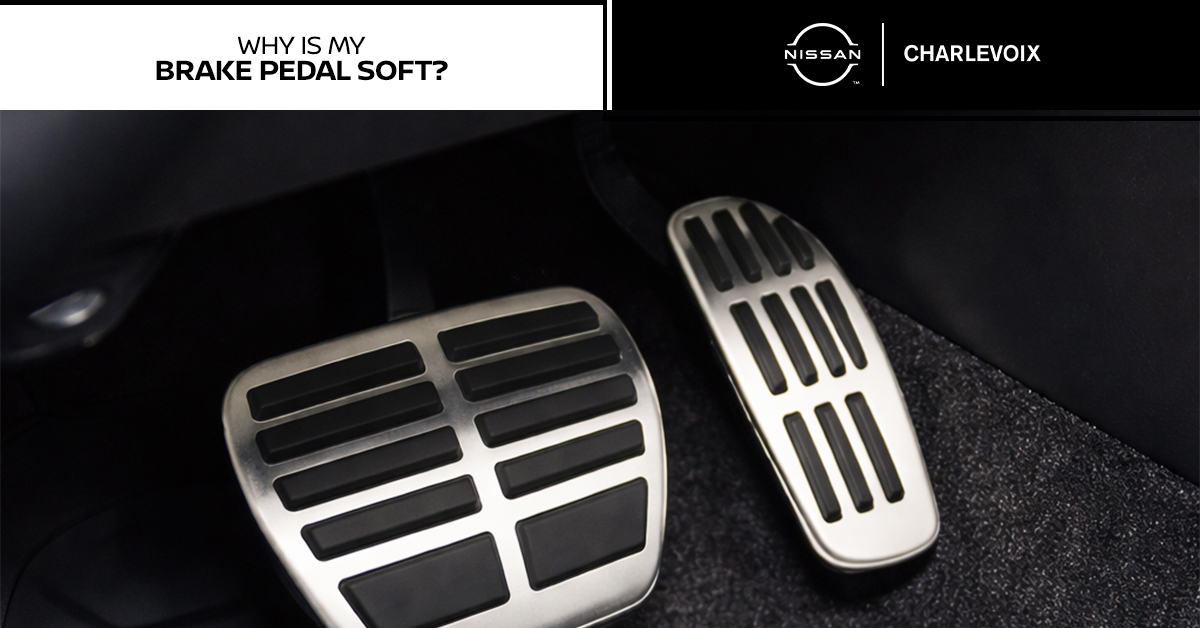
If your brake pedal feels soft, spongy, or sinks more easily than usual, this is not normal. This symptom clearly indicates that something in the braking system is not working as it should. And when it comes to braking, there is no room for error.
A delayed response, longer pedal travel, or an unstable feeling under your foot are warning signs. Ignoring this issue can increase braking distance and compromise your safety.
A brake pedal in good condition should provide firm, consistent resistance. If it becomes soft:
This behavior usually indicates a loss or instability of hydraulic pressure in the system.
Brake fluid naturally absorbs moisture over time. This contamination reduces its performance and can affect hydraulic pressure.
Result:
Periodic replacement is essential to maintain the system’s effectiveness.
The braking system operates under hydraulic pressure. Brake fluid is incompressible, unlike air.
If air gets into the lines:
A complete brake system bleed is then required.
A leak causes a loss of pressure. It may come from:
Signs to watch for:
In this case, quick service is essential.
The master cylinder generates the pressure sent to the brakes. If it is defective:
This situation usually requires replacement of the part.
The rule is simple: do not take risks.
✔ Avoid driving if the pedal sinks excessively.
✔ Have the vehicle checked right away.
✔ A simple brake bleed or brake fluid replacement can sometimes fix the issue.
But only a precise diagnosis can confirm the real cause.
A faulty braking system:
This is not a minor mechanical issue. It is an immediate safety concern.
At Charlevoix Nissan, a complete braking system inspection makes it possible to:
Preventive maintenance always costs less than an emergency repair.
The technical team at Charlevoix Nissan provides an accurate diagnosis that meets manufacturer standards.
Yes. It can significantly increase braking distance and reduce vehicle control.
No. If the level is low, the cause must be identified. Adding fluid without fixing a leak does not solve the problem.
The cost varies depending on the vehicle, but it is generally an affordable service compared to the risks involved.
On average, every 2 to 3 years, depending on usage and the manufacturer’s recommendations.
No. Once the issue appears, it will persist or get worse without service.
If your brake pedal feels soft, do not wait. The braking system is the most important safety component of your vehicle. A quick inspection can make all the difference.